Photo Revival
Redraw an everyday photograph as a small poetic illustration floating in generous white-paper space.
Real outputs
See what the workflow makes.
Examples carried over from the original public collection. Each image links back to its recorded source; hosting rights have not been independently verified.
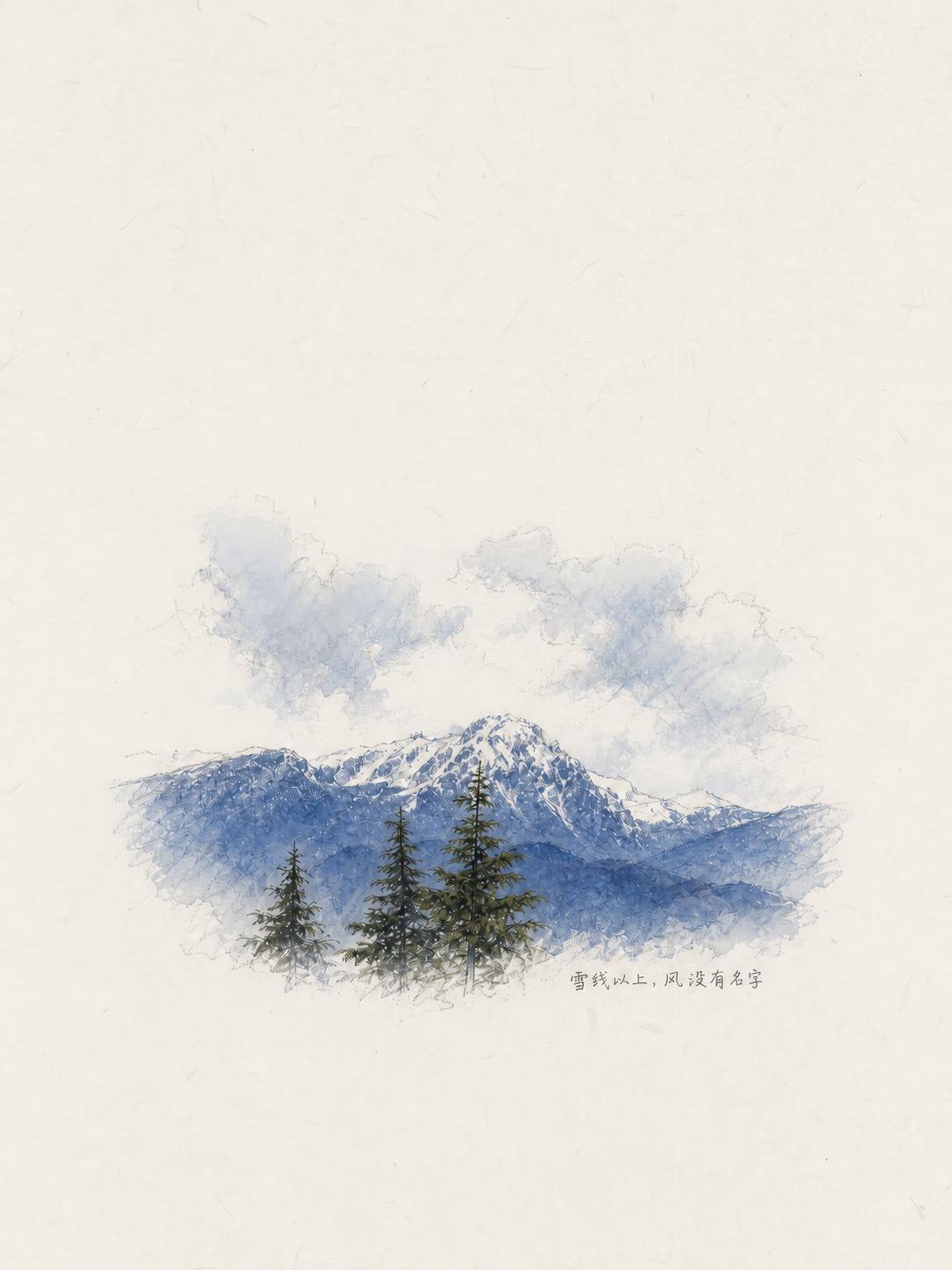
White-paper memory — a mountain view redrawn as a small blue pencil-and-wash fragment.Image by 章台竹
Recorded source ↗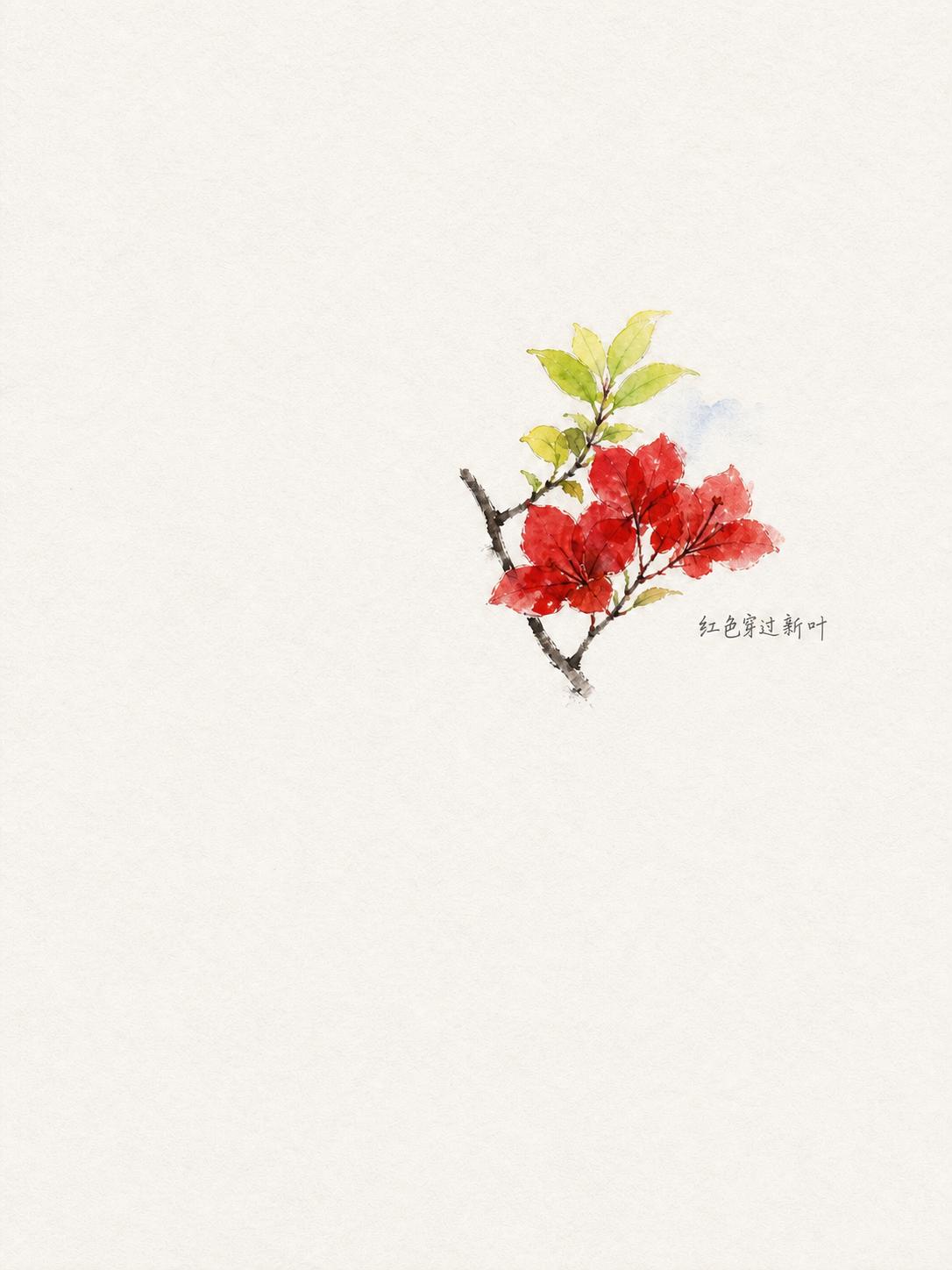
Hand-drawn fragment — a bright branch kept intentionally small inside an open paper field.Image by 章台竹
Recorded source ↗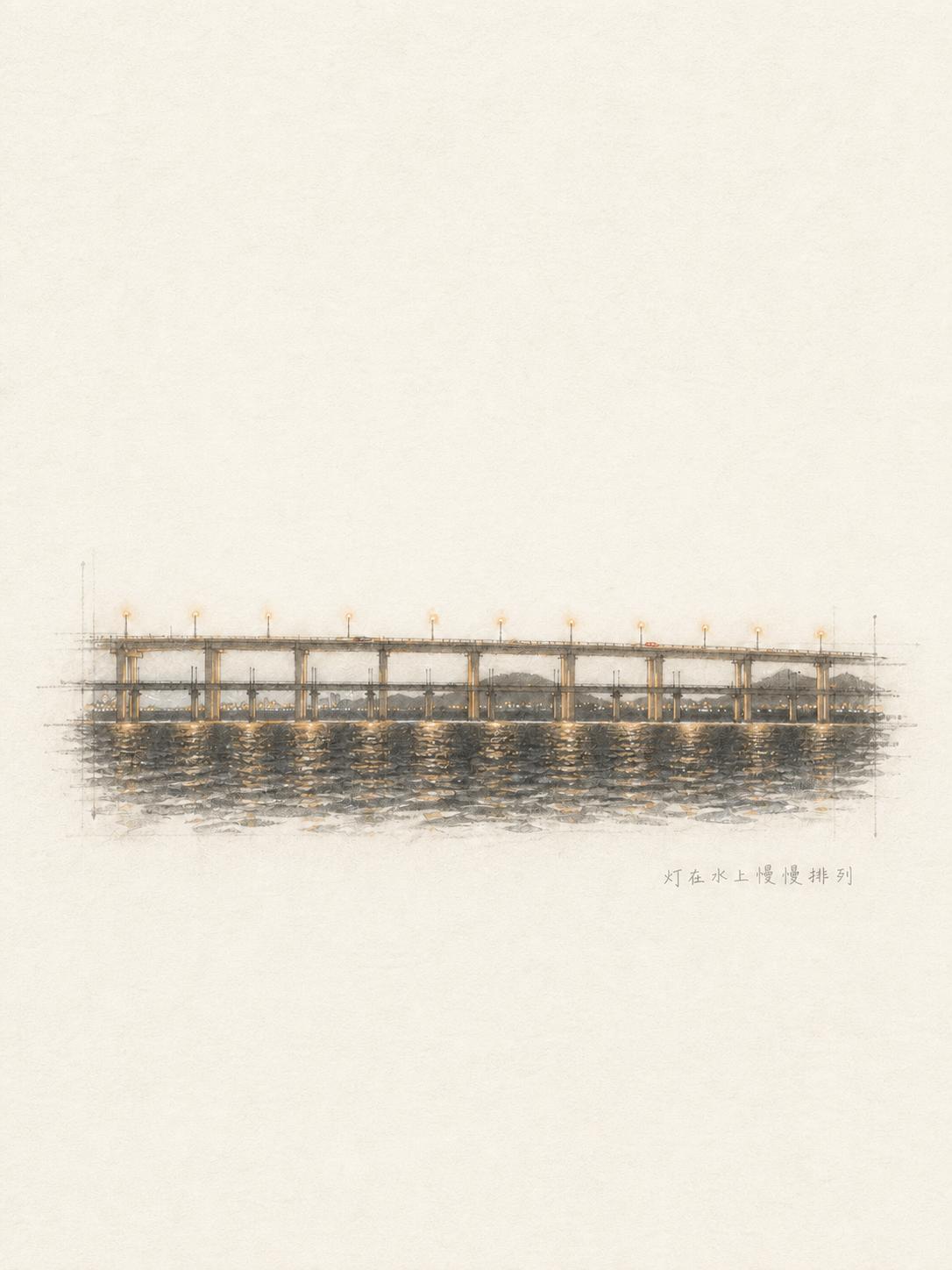
Localized color — bridge lights and their reflections carry the only warm color in the scene.Image by 章台竹
Recorded source ↗What it does
Photo Revival rebuilds a source photograph as a new hand-drawn illustration. It keeps the subject, setting, and memory cues readable, then shifts the image into pencil, watercolor, brush, and subtle print texture.
How it works
- Upload one photograph with a readable subject.
- Name the visual details that must remain recognizable.
- Let the workflow redraw rather than filter the original.
- Check the final illustration for subject continuity and unwanted repeated marks.
Editorial note
Its strongest use is not general photo restoration. It is for ordinary photographs whose emotional details matter more than literal fidelity.
Best for
- Everyday snapshots, travel fragments, objects, pets, and street scenes.
- Photos whose emotional details matter more than pixel-perfect fidelity.
- Small poetic compositions with extensive blank paper.
Limitations
- The redraw may simplify fine details from the original photograph.
- Generated handwriting can repeat or become illegible.
- The intentionally small subject area is unsuitable for detail-heavy scenes.
 Promising
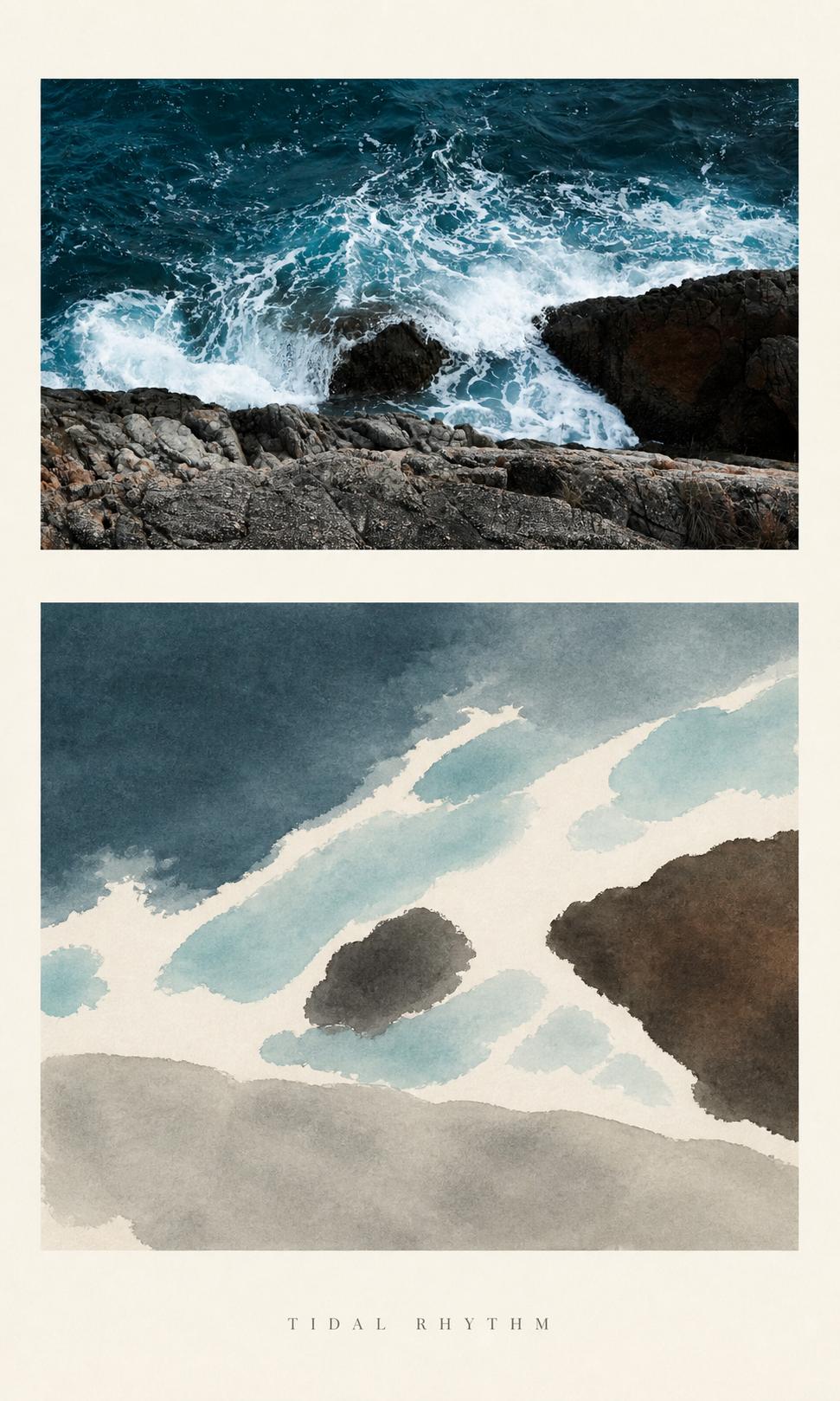
Eastern Ink Diptych
Pair a source photograph with an atmospheric ink-led companion image to create an editorial visual conversation.
Read the review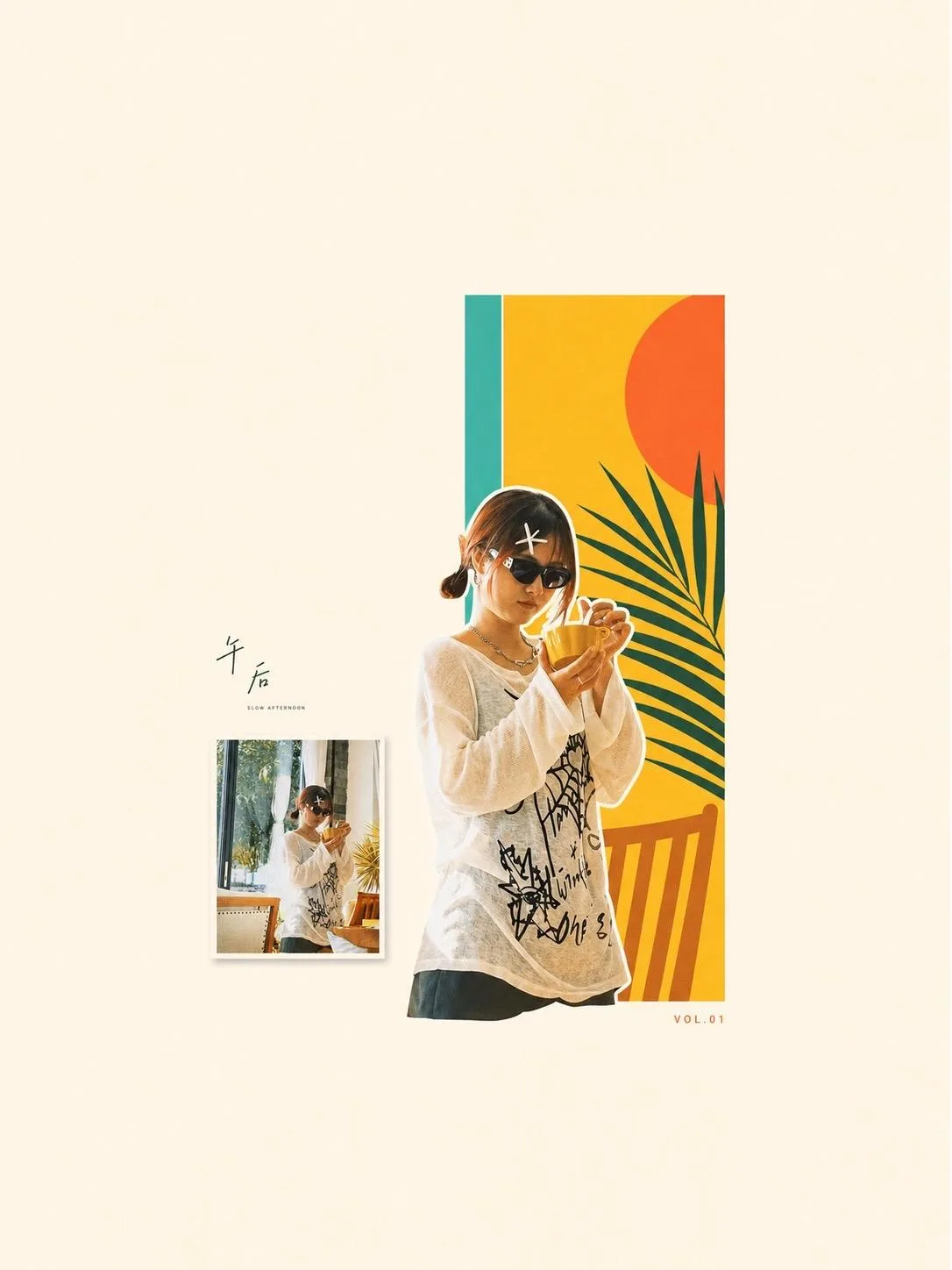 Needs review
daily-photo-play-ground
Reinterpret source photography through a focused illustration, print, archive, or cinematic visual treatment.
Read the review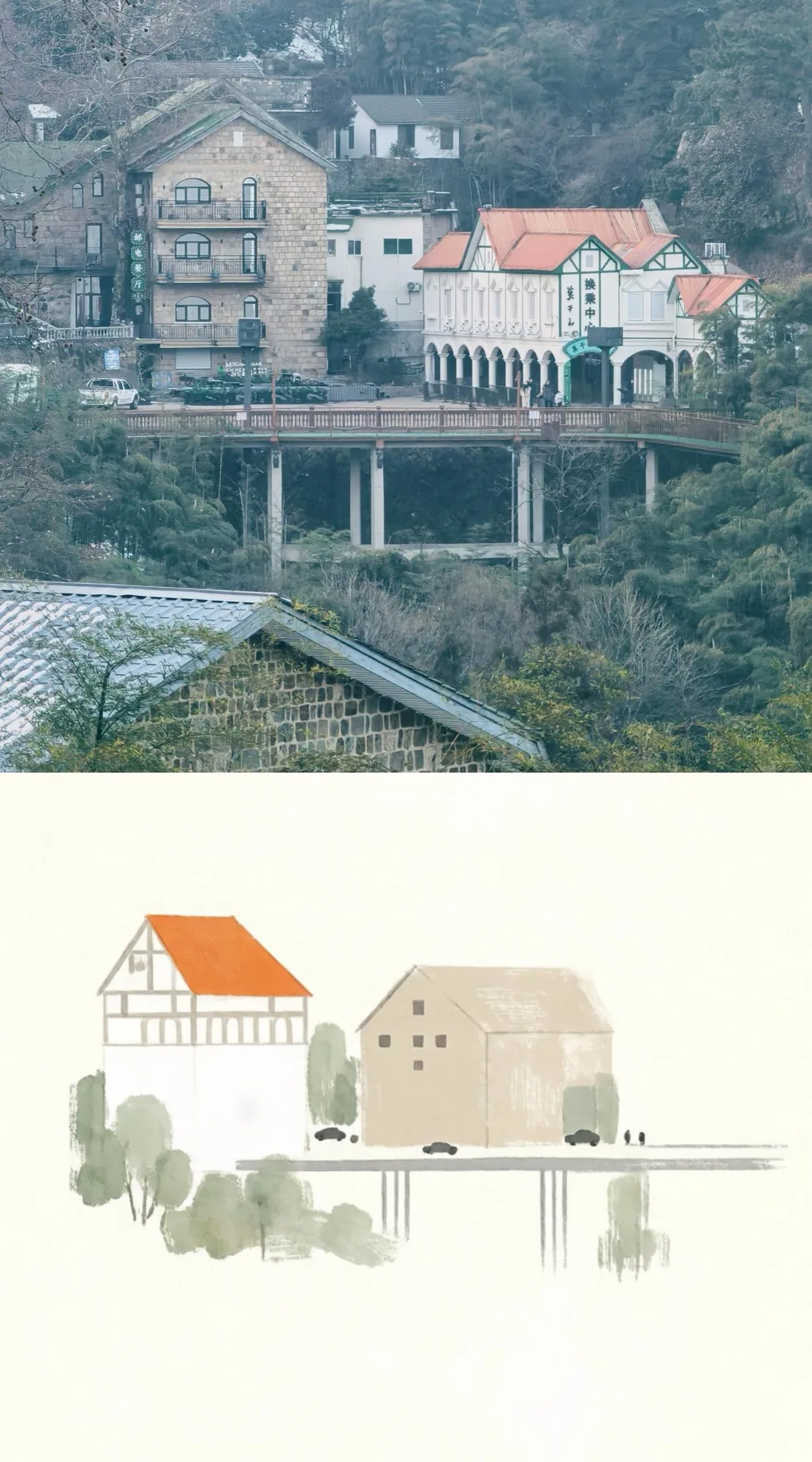 Needs review
dyy_photo_deconstruct
Reinterpret source photography through a focused illustration, print, archive, or cinematic visual treatment.
Read the review